Choosing a care home for someone you care for isn’t easy. It can be one of the biggest and most emotional decisions you’ll ever make. Whether you’re planning ahead, or searching for support following a change of health, it’s completely normal to feel overwhelmed by all the options available to you.
Many families worry about making the ‘wrong’ choice when in reality, choosing a care home is about much more than finding somewhere that looks the nicest or closest to home. It’s about finding a place where your loved one feels safe, respected and supported – giving you the confidence they’re receiving the care they need.
It’s natural to have questions when you’re choosing a care home. Understanding the process can make it feel less overwhelming and help you focus on what matters most to your loved one.
Choosing a care home can be a big decision, but you don’t need to make it on your own. Here at Rotherwood, we’re with you every step of the way.


There is never a ‘right’ time to start thinking about a care home, and every family’s journey is different. For many, recognising that extra support is needed is often the hardest step.
For some, the decision follows a sudden illness or hospital stay. For others, it’s a gradual realisation that a loved one is finding everyday life more difficult.
While choosing extra support can feel like a big step, a care home can provide safety, companionship and specialist care that helps people continue to enjoy the best possible quality of life.
It may be time to consider a care home if your loved one:
Needing extra support doesn’t mean anyone has failed. For many people, moving into a care home can improve safety, wellbeing and quality of life while giving families valuable peace of mind.
Before you start comparing care homes, it is important to take some time to think about your loved one’s needs both now and in the future.
Everyone is different, so there’s no one-size-fits-all approach to care. Thinking about what matters most to your loved one now, it’s also worth thinking about how those needs might change over time. Choosing a home that can continue to provide the right level of support may help avoid another move in the future.
Some people benefit from residential care, while others may require palliative care, and others may only need short-term respite care. Choosing a home that can adapt to changing needs can provide comforting reassurance for both you and your loved one.
If you’re unsure which types of care are most suitable, our guide to the different types of care explains the support available.

Once you establish the type of care your loved ones need, it’s time to start researching care homes in your area. Looking at several homes will help you compare the care they provide and decide which ones you’d like to visit.
When researching care homes, it’s worth considering:
Can family and friends visit? Staying connected with loved ones can make a real difference to someone’s wellbeing.
Read the home’s latest Care Quality Commission (CQC) inspection report to understand how it has been assessed. A ‘Good’ or ‘Outstanding’ rating is a positive sign, but it’s also worth reading the report in full to understand the home’s strengths and any areas for improvement.
It’s important not to automatically dismiss a care home that has a ‘Requires Improvement’ rating. In some cases, the inspection may have taken place several years ago, meaning the report may not reflect the home’s current standards, management or quality of care. Many homes make significant improvements following an inspection, and these changes may be evident long before the next CQC visit.
Rather than relying solely on the overall rating, take the time to read the inspection report, visit the home yourself, speak to the manager and ask what improvements have been made since the inspection. This will give you a much more accurate picture of the care and support the home provides today.
Does the home provide the care your loved one needs now? If they have specific needs, such as dementia or mobility issues, make sure the home has the experience and specialist support to meet those needs. It’s also worth asking whether they can continue to provide care if those needs change in the future.
Find out about the experience and qualifications of the team, particularly if your loved one has specialist care needs. It’s also worth asking about the staff-to-resident ratio, as this can give you an idea of how much individual support residents receive.
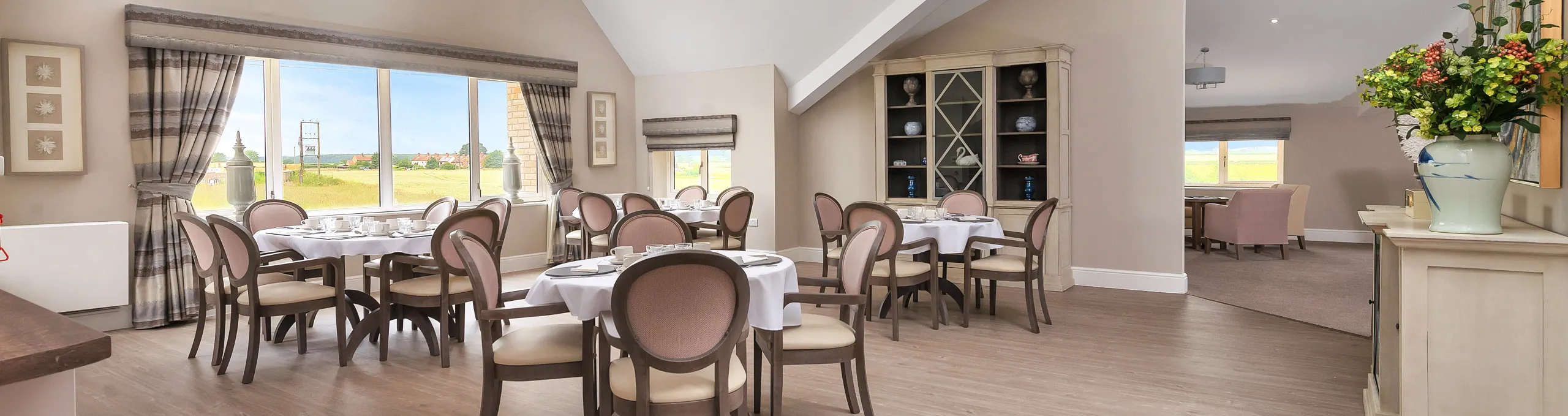
Look for clean, welcoming surroundings with comfortable communal areas, well-maintained bedrooms and spaces where residents can relax or take part in activities. A home should feel safe, homely and somewhere your loved one would be happy spending time.
Read what residents and their families have to say about the home. Reviews can provide valuable insight into day-to-day life, the quality of care and the experiences of other families. They can often give you a better understanding of the home’s atmosphere, staff and overall service.
Reviews can be found on websites such as Carehome.co.uk, the UK’s leading independent care home review website, as well as Google Reviews. While no home will receive positive feedback all the time, looking for recurring themes across multiple reviews can help you build a balanced picture and make a more informed decision.
Ask for a clear breakdown of what’s included in the fees and whether there are any additional charges for things such as hairdressing, outings or specialist services.
When comparing care homes, don’t just compare the weekly fee. The level of care, facilities and support included can vary between homes.
Visiting a care home is one of the most important steps in choosing the right one. While many homes welcome drop-in visits, it’s often best to book an appointment in advance so that a member of the team is available to show you around, answer your questions and discuss your loved one’s individual needs.
If possible, take your loved one with you so they can experience the home for themselves. Many care homes are happy to invite prospective residents to enjoy lunch, take part in an activity or attend one of their events. This provides a valuable opportunity to experience day-to-day life, meet residents and staff, sample the food and get a genuine feel for the home’s atmosphere before making your decision.
A home’s website is a great place to start, especially if it clearly explains the care it provides, the facilities available and everyday life within the home. However, nothing replaces visiting in person and seeing the home for yourself.
A website can tell you a lot about a care home, but nothing compares to seeing it for yourself. During your visit, take time to look beyond the décor and facilities. Notice how residents interact with one another, whether team members seem friendly and approachable, and whether the home feels warm, calm and welcoming.
It’s also worth considering the time of day you visit, as this can influence your experience. Some periods, such as the morning when residents are getting ready for the day or at lunchtime, are naturally busier. Visiting at different times, if possible, can give you a more rounded picture of how the home operates throughout the day and how staff support residents during both busy periods and quieter moments.
Some things to look out for include:

Taking a list of questions with you can help you compare different care homes and make sure you don’t forget anything during your visit.

At Rotherwood Healthcare, we’ve helped hundreds of families choose the right care home.
We support families following a hospital discharge, as dementia progresses or when living independently is no longer safe. Our priority is always helping people find the care home that’s right for their individual needs, preferences and circumstances.
While we would be delighted if that home is one of ours, we’ll always offer honest guidance and support—even if the best fit is a care home owned by another provider. Choosing the right home is about finding somewhere that feels right for the individual and can provide the care, lifestyle and environment they deserve.
Avoiding a few common mistakes can help you feel more confident.
Try to avoid:
Taking time to compare your options will help you choose a home that’s the right fit for your loved one.
Every family’s journey into care is different. Some families plan ahead. Others need support after a hospital stay or a change in care needs. Taking time to understand your options can help you make a confident decision.
Visiting homes, asking questions and speaking with experienced care professionals will help you make a confident, informed decision.
If you’d like friendly, no-obligation advice about residential, nursing or dementia care, the Rotherwood Healthcare team is here to help.
Choosing a care home is a significant decision, and it’s important that you feel confident asking questions before making your choice.
Residential care is designed for people who need help with everyday tasks such as washing, dressing, taking medication and preparing meals. Residential care is suitable for people who do not need regular medical care from a registered nurse.
For people living with dementia, residential dementia care provides the same level of day-to-day support within a safe, understanding environment. Team members are specially trained to support those living with dementia, helping residents maintain their independence, wellbeing and quality of life through person-centred care and meaningful activities.
Nursing care provides the same day-to-day support, plus 24-hour care from qualified nurses for people with more complex health needs. For individuals living with more advanced dementia or who have additional medical needs, dementia nursing care combines specialist dementia support with around-the-clock nursing care, ensuring both their health and wellbeing are carefully managed.
If you’re unsure which type of care is right, a care assessment can help identify the level of support your loved one needs both now and in the future.
Most families benefit from visiting at least three care homes before making a decision. Visiting several homes allows you to compare the atmosphere, quality of care, facilities and the way staff interact with residents.
During each visit, take time to ask questions, observe daily life and consider whether the home feels welcoming and comfortable. Comparing different care homes will help you make a more informed decision and find the environment that best suits your loved one’s needs.
The Care Quality Commission (CQC) is the independent regulator of health and social care services in England. It inspects care homes and assesses them across five key areas: whether they are safe, effective, caring, responsive and well-led.
Each care home receives an overall rating of Outstanding, Good, Requires Improvement or Inadequate. Reading the full CQC inspection report, rather than just the overall rating, can provide valuable insight into the home’s strengths and how it delivers care.
Many families begin looking for a care home following a hospital stay, particularly if returning home is no longer safe or practical. Hospital discharge teams, social workers and healthcare professionals can help assess care needs and recommend the most appropriate type of support.
If nursing care or specialist dementia care is required, it’s important to choose a care home that can meet both current and future needs. Arranging visits and asking questions can help you make a confident decision, even when time is limited.
Someone living with dementia may be able to live in a residential care home during the early stages of the condition, provided their care needs can be safely met. As dementia progresses, some people may require specialist dementia care or nursing care delivered by teams with additional training and experience.
Choosing a care home that can adapt to changing needs may reduce the likelihood of another move in the future and provide reassurance for both residents and their families.
Many care homes encourage residents to bring personal belongings, such as favourite furniture, photographs and treasured possessions, to help their room feel familiar and comfortable.
Every care home has its own policies, so it’s worth checking what items can be brought in. Furniture will also need to meet the home’s fire safety requirements and relevant fire regulations.
At Rotherwood Healthcare, we encourage residents to personalise their rooms wherever possible, helping them feel more at home while ensuring all items meet the necessary safety standards.