As we get older, it’s natural for our bodies to change. Everyday tasks may take a little more effort, and our strength, balance and mobility can gradually decline. However, regular movement is one of the most effective ways to support both physical and mental wellbeing. It helps us maintain our independence and continue enjoying the activities we love.
The good news is that exercise doesn’t have to be strenuous to make a difference. Activities such as gentle walking, gardening, chair exercises, stretching, or even dancing around the kitchen can help improve strength, balance and confidence. In fact, many everyday activities naturally keep us moving without feeling like exercise at all.
At Rotherwood Healthcare, we believe regular exercise should be an enjoyable part of everyday life. Our pioneering Wellness Programme has been developed alongside experienced wellness coaches and external healthcare professionals to help residents maintain strength, mobility and independence.
Using low-impact isometric exercises, the programme is suitable for a wide range of abilities, including those living with reduced mobility, recovering from illness or surgery, or those at greater risk of falls. Rather than focusing solely on exercise, the programme encourages residents to stay active in ways that feel safe. It’s enjoyable and achievable, supporting healthier, happier and more fulfilling lives.
Every movement counts, from dedicated wellness sessions to simply enjoying meaningful activities throughout the day. By finding activities that are enjoyable and achievable, it’s never too late to become more active. Continuing to move can support your health and wellbeing for years to come.

Regular exercise benefits almost every part of the body.
From supporting heart health and maintaining muscle strength to improving mood, staying active offers many benefits. It can also reduce the risk of falls, helping older adults remain healthier, more mobile and better able to enjoy everyday life.
Whether you’re looking to stay active yourself or encouraging a loved one to do the same, even small amounts of regular movement can make a meaningful difference.
Some of the benefits of regular exercise include:
There are lots of ways to stay active, and the best exercise is one that’s enjoyable, safe and suited to your individual abilities.
Whether you’re looking to improve your mobility, build strength or simply keep moving, regular activity can help you stay healthier and more independent.
Walking is one of the simplest ways to stay active and something many people already enjoy. It can be easily adapted to suit different fitness levels, making it an ideal activity for many older adults. Whether it’s a gentle stroll around the garden, a walk to the local shops or spending time outdoors with family and friends, walking is a great way to support both physical and mental wellbeing.
Regular walking can help:
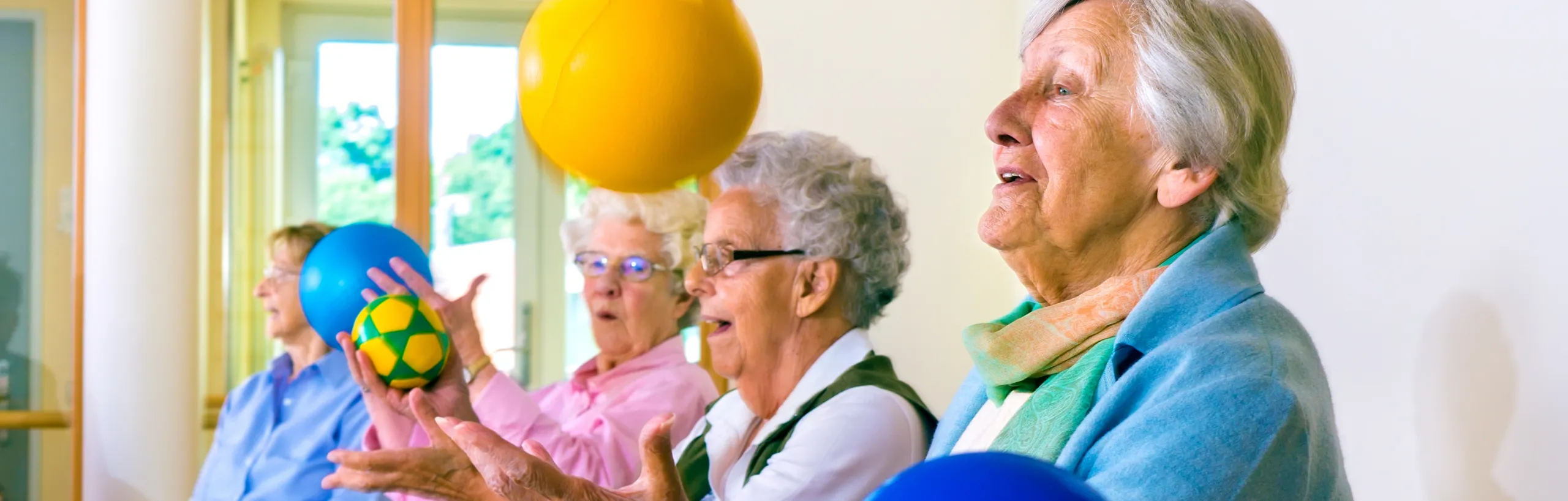
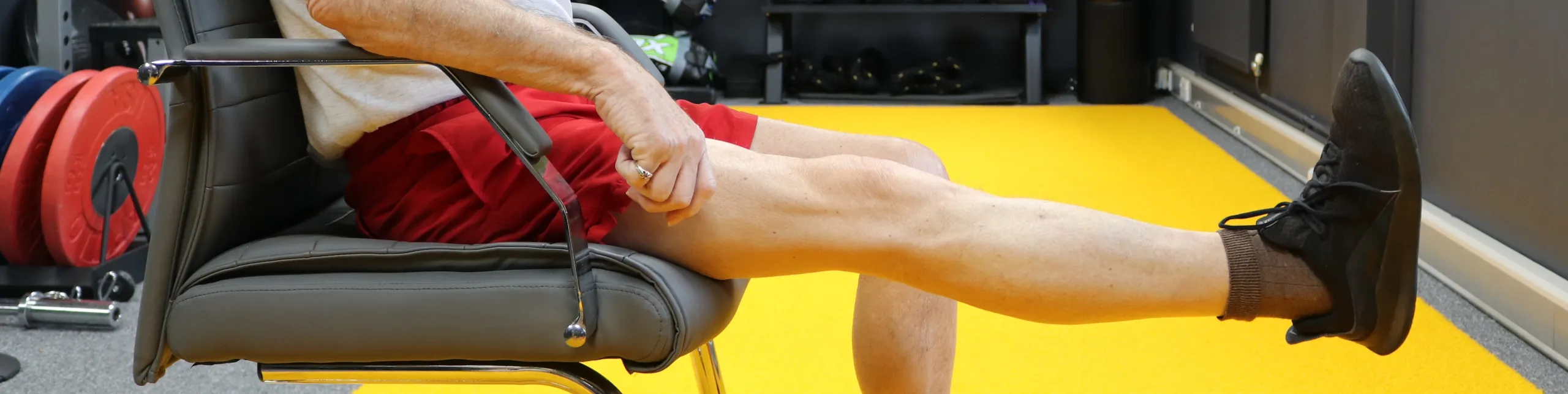
For those with reduced mobility, chair exercises provide a safe and effective way to stay active. They help improve strength, flexibility and circulation while placing less strain on the joints.
Simple chair exercises include:
These exercises can be adapted to suit different abilities, making them accessible to many older adults.
Good balance becomes increasingly important as we age. Regular balance exercises can help improve stability, reduce the risk of falls and make everyday movements feel more comfortable. They can also help build confidence when walking around the home or getting in and out of a chair.
Examples include:
Keeping muscles and joints flexible helps make everyday movements easier and more comfortable. Gentle stretching can reduce stiffness while supporting posture, balance and mobility, making it easier to carry out everyday activities. This could include reaching for items, bending down or getting in and out of a chair.
Simple flexibility exercises include:
Exercise doesn’t always have to be planned. In fact, many of the things we do every day naturally help keep us moving without feeling like exercise at all.
Gardening, dancing to your favourite music, light housework, walking to the local shops or spending time with grandchildren are all great ways to stay active. Taking part in hobbies, joining a local group or simply getting outside for some fresh air can also have a positive impact on both physical and mental wellbeing.
The key is finding activities you enjoy. When movement becomes part of your everyday routine, it’s much easier to maintain an active lifestyle.
Everyone’s fitness level and mobility are different, so it’s important to choose activities that feel comfortable and appropriate for your individual needs.
If you’ve not exercised for some time, start slowly and build up gradually as your confidence grows.
A few simple steps can help you exercise safely:
Remember, staying active isn’t about doing more than you’re able to. It’s about finding ways to move that help you feel healthier, stronger and more confident.
Living an active lifestyle is about much more than taking part in an exercise session.
At Rotherwood Healthcare, movement is encouraged throughout the day in ways that feel enjoyable, meaningful and achievable for every resident.
Some residents enjoy tending to the gardens, while others take part in music and movement sessions, gentle group exercises or walks around our beautiful grounds. Every activity is designed to encourage movement while creating opportunities to socialise, build confidence and continue enjoying favourite hobbies.
Alongside these everyday activities, our dedicated Wellness Programme offers structured sessions using low-impact isometric training. Unlike traditional exercise programmes, isometric exercises strengthen muscles without placing unnecessary strain on the joints. It makes them particularly suitable for older adults, those living with reduced mobility, individuals recovering from illness or surgery and people at greater risk of falls.
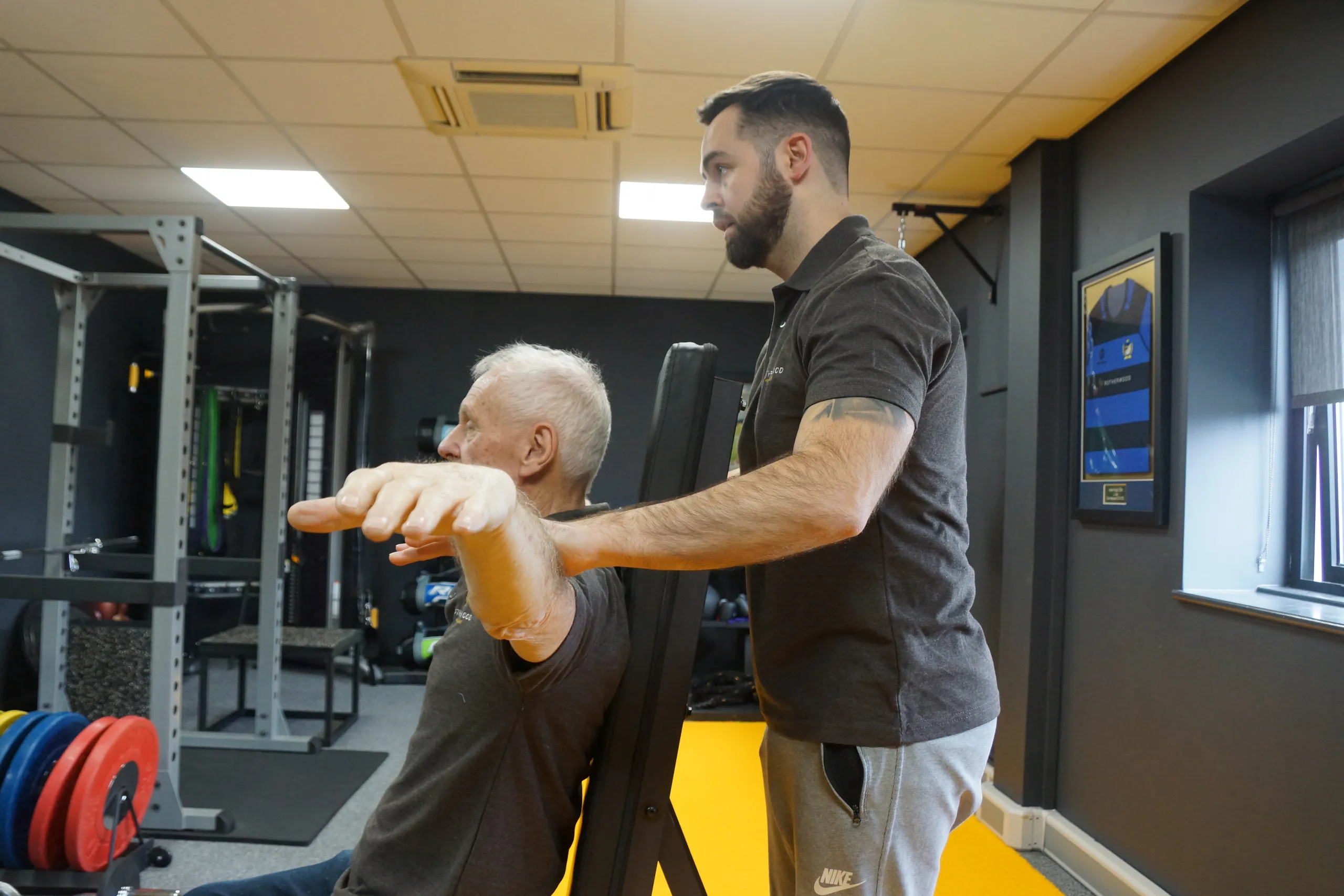
Residents taking part in the programme can experience a wide range of benefits, including:
Importantly, our Wellness Programme is built around the principle of preventative care. Rather than waiting until someone loses strength or mobility, we proactively support residents to maintain and improve their physical health. This helps them remain independent and continue enjoying the things they love.
For residents staying with us for rehabilitation or respite care, the programme also helps rebuild strength, stamina and confidence, supporting a successful return home wherever possible.
Above all, our focus is on helping residents continue living life as fully and independently as possible, with opportunities to keep moving in ways that are both enjoyable and rewarding.
Staying active is one of the simplest and most effective ways to support your health and wellbeing in later life.
Whether it’s taking a daily walk, joining a gentle exercise class or simply moving a little more throughout the day, regular activity can help improve strength, balance and confidence while supporting your overall quality of life.
The important thing is to find activities that you enjoy and that suit your individual abilities. It’s never too late to become more active, and even small changes can make a lasting difference.
At Rotherwood Healthcare, we’re committed to helping residents enjoy active, fulfilling lives. Through our innovative Wellness Programme, engaging daily activities and person-centred approach to care, we support residents to maintain strength, confidence and independence. By encouraging safe movement every day, we’re helping residents not only add years to life, but life to years.
The best exercise for older adults is one that’s enjoyable, safe and suited to your individual abilities. Walking, chair exercises, stretching, balance exercises and low-impact strength training can all help improve mobility, confidence and overall wellbeing. The most important thing is to find activities you enjoy and can do regularly.
Older adults should aim to stay active throughout the week. Even gentle movement every day can help maintain muscle strength, improve balance, support heart health and promote greater independence. It’s always advisable to build up activity gradually and seek medical advice if you have any concerns or existing health conditions.
Yes. Chair exercises are a safe and effective way for older adults, particularly those with reduced mobility, to improve muscle strength, flexibility, circulation and coordination. They provide many of the benefits of exercise while placing less strain on the joints.
Regular strength, balance and flexibility exercises can significantly improve stability and coordination, helping to reduce the risk of falls. Activities that strengthen the muscles around the hips and legs are particularly beneficial for maintaining independence and confidence.
Isometric exercise involves contracting muscles without moving the surrounding joints. Because it is low-impact and places minimal stress on the joints, it is particularly suitable for older adults. It is excellent for those living with frailty, individuals recovering from illness or surgery and people who may be at greater risk of falls.
Rotherwood Healthcare’s Wellness Programme is built around evidence-based isometric training. It has been developed alongside experienced wellness coaches and external healthcare professionals. The programme is tailored to each resident’s individual abilities and focuses on improving strength, mobility, balance, confidence and overall wellbeing in a safe, enjoyable and supportive environment.
Yes. Regular physical activity can help support cognitive function, improve mood, reduce feelings of anxiety and agitation, and encourage social interaction. Gentle, structured exercise can also help people living with dementia maintain their mobility and independence for longer.
Walking is an excellent way to stay active and offers many health benefits for older adults. These include improved cardiovascular health, stronger muscles and better mental wellbeing. However, combining walking with strength, flexibility and balance exercises provides a more rounded approach to healthy ageing.
At Rotherwood Healthcare, residents are encouraged to stay active through a varied programme of meaningful daily activities, including gardening, walking, music and movement sessions and gentle group exercises. Our dedicated Wellness Programme complements these activities with structured, low-impact isometric training that helps improve strength, mobility, balance, confidence and independence, enabling residents to enjoy healthier, more active lives.