banner

Understanding dementia

Dementia is a complex and often misunderstood condition that affects millions of people worldwide. It is not a single disease but rather a general term used to describe a decline in mental ability severe enough to interfere with daily life. Understanding dementia, its types, stages, and early signs is crucial for early intervention and improved quality of life for those affected.

What is dementia?

Dementia is a broad term for a group of symptoms affecting memory, thinking, and social abilities severely enough to interfere with daily functioning. It's caused by damage to brain cells, which affects their ability to communicate. This, in turn, affects thinking, behaviour, and feelings. Dementia is not a normal part of ageing, although it is more common as people grow older.

Types of dementia

Dementia encompasses several types, each with distinct symptoms and progression patterns. Understanding the different types can help caregivers and family members provide more effective support.

  • Alzheimer’s Disease
  • Vascular Dementia
  • Lewy Body Dementia
  • Frontotemporal Dementia
  • Mixed Dementia

Stages of dementia

Understanding the stages of dementia can help caregivers anticipate changes and provide appropriate care and support. Dementia is typically divided into three main stages

Early Stage (Mild Dementia)

In the early stage of dementia, symptoms may be subtle and often mistaken for normal ageing. Individuals may still be independent but may notice difficulties with:

  • Short-term memory
  • Word-finding
  • Completing familiar tasks
  • Following conversations

Care Tips:

Encourage independence and provide reminders for appointments, medications, and daily tasks. Engage in memory-boosting activities and maintain social connections.

Middle Stage (Moderate Dementia)

As dementia progresses to the middle stage, symptoms become more pronounced, and individuals may require more assistance with daily activities. Symptoms may include:

  • Increased memory loss and confusion
  • Difficulty recognising friends and family
  • Wandering or getting lost
  • Changes in sleep patterns

Care Tips:

Focus on comfort, safety, and quality of life. Provide assistance with all activities of daily living and ensure regular medical care. Maintain a calm and reassuring presence.

Late Stage (Severe Dementia)

In the late stage of dementia, individuals become increasingly dependent on others for care. Symptoms may include:

  • Severe memory loss
  • Loss of ability to communicate
  • Difficulty swallowing
  • Changes in physical abilities

Care Tips:

Focus on comfort, safety, and quality of life. Provide assistance with all activities of daily living and ensure regular medical care. Maintain a calm and reassuring presence.

banner

Early signs and symptoms of dementia

Seeking help and support

Dementia is a broad term for a group of symptoms affecting memory, thinking, and social abilities severely enough to interfere with daily functioning. It's caused by damage to brain cells, which affects their ability to communicate. This, in turn, affects thinking, behaviour, and feelings. Dementia is not a normal part of ageing, although it is more common as people grow older.

Conclusion

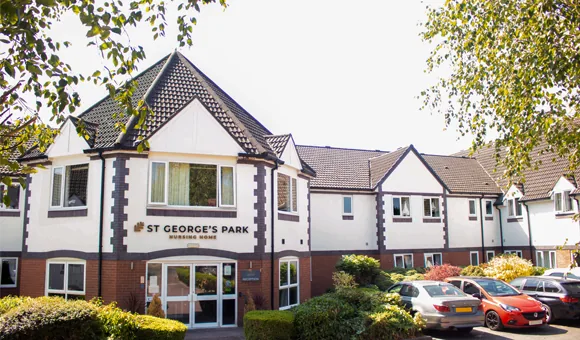
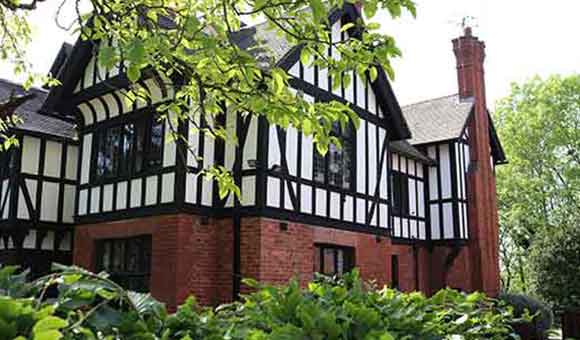
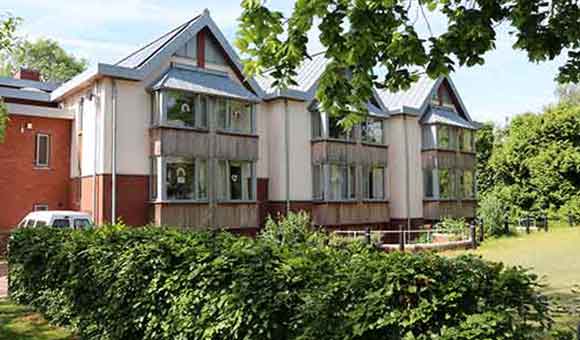
Understanding dementia, its types, stages, and early signs is crucial for providing effective care and support to those affected by the condition. By recognising the symptoms and seeking help early, individuals and their families can better navigate the challenges of dementia and improve their quality of life. At our specialist dementia homes Lynhales Hall and St George’s Park and are nursing homes that offer dementia Hampton Grange and Dorset House, we are committed to offering exceptional care and support to individuals with dementia and their families, ensuring a compassionate and supportive environment for all. If you need any advice of support don’t hesitate to reach out and our friendly team are here to answer your questions.

Understanding dementia, its types, stages, and early signs is essential for providing effective care and support to those affected by the condition. By recognising the symptoms early and seeking appropriate help, individuals and their families can navigate the challenges of dementia more effectively and improve their overall quality of life. At our specialist dementia homes, Lynhales Hall and St George’s Park, as well as our nursing homes offering dementia care, like Hampton Grange and Dorset House, we are committed to providing exceptional care and support. Our dedicated team ensures a compassionate and nurturing environment for all residents and their families. Please don't hesitate to reach out if you need any advice or support. Our friendly team is here to answer your questions and assist you.

banner