
As temperatures fall, staying warm and well becomes particularly important, especially for older people. Keeping your home warm and comfortable is just one way to look after yourself during winter. Eating well, staying active and keeping in touch with others can also help you stay healthy and feel your best.

Keeping the rooms you use most comfortably warm is an important part of staying well during colder weather.
Aim for around 18°C where possible, particularly if you are older or have an existing health condition.
There are also simple ways to help keep warmth in your home:
What you wear can make a difference too. Several thinner layers can help trap warm air, while warm socks and comfortable slippers can help keep you cosy indoors.
Remember to use heaters, fires, electric blankets and other heating appliances safely, following the manufacturer’s instructions.
Prolonged exposure to cold can lead to hypothermia, a serious condition that requires urgent medical attention. Warning signs can include shivering, confusion, slurred speech and unusual drowsiness. If you suspect someone has hypothermia, call 999 for emergency medical help.

A warm meal can be one of the simplest comforts during winter.
Soups, stews, porridge and other hot meals can provide nourishment while helping you feel warmer and more comfortable. Hot drinks can also be a welcome way to warm up throughout the day, while staying hydrated remains important even when you’re not feeling as thirsty.
Try to eat regular meals and keep a few easy-to-prepare options at home. These can be useful when cold or icy weather makes shopping more difficult. If preparing meals is becoming difficult, consider asking family, friends or local support services for help.
If you want something warming without spending ages in the kitchen, this simple soup is ideal.
It takes around 10 minutes and uses ingredients you may already have in your cupboard.
Butter beans are a good source of fibre and plant-based protein. This makes the soup a nourishing, filling option for a cold winter’s day.
For an extra boost of vegetables, stir in a handful of spinach during the final minute. Serve with wholemeal bread for a more substantial meal. If you’re cooking for yourself, you can save the extra portion for the following day.

When the weather is cold or wet, it’s tempting to spend more time sitting down.
However, regular gentle movement can help support strength, mobility, balance and confidence.
You don’t need to head outside for a long walk. Try:
The most important thing is finding ways to keep moving that feel comfortable, enjoyable and right for you.
Winter wellbeing isn’t just about physical health.
Shorter days and spending more time indoors can sometimes mean we see less of friends and family or spend less time doing the things we enjoy.
Making time for hobbies, interests and social connections can help keep winter feeling positive.
Try arranging a regular catch-up with someone you care about, getting outside during daylight when the weather allows, continuing with hobbies or joining a local group or activity.
Even something as simple as inviting someone round for a cup of tea can make a difference.
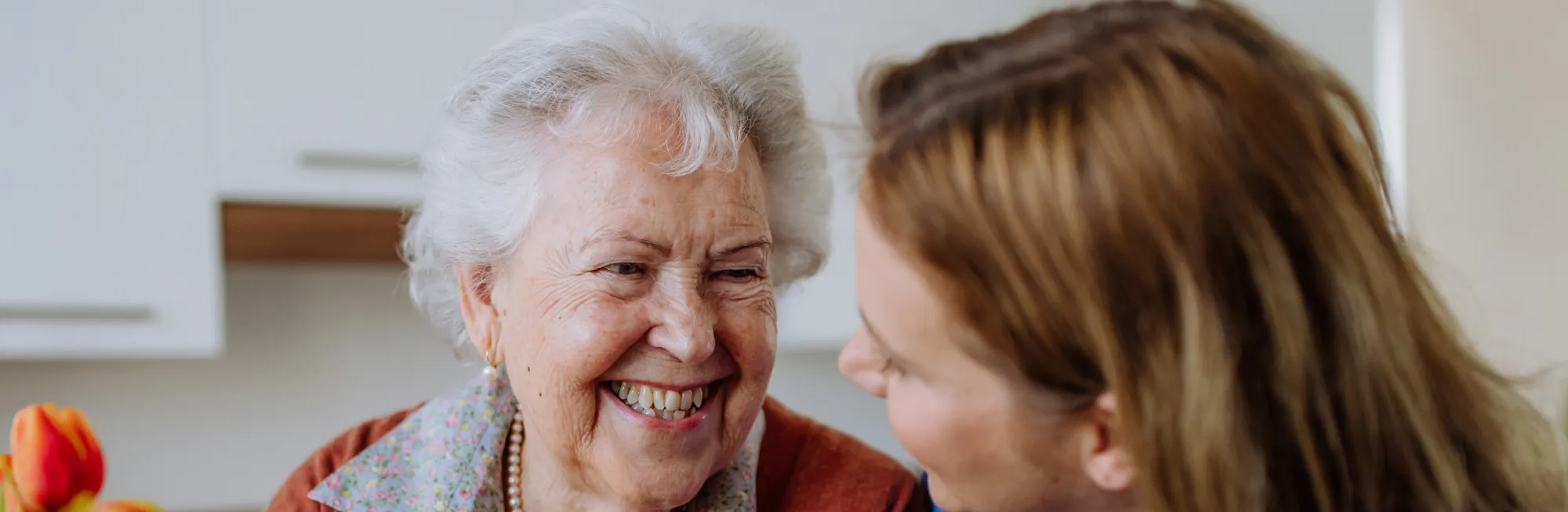
A little preparation can make winter easier, particularly when poor weather makes getting out and about more difficult.
Winter can also bring an increased risk of respiratory illnesses, including flu. If you’re eligible, getting your seasonal flu vaccination can help protect you. Speak to your GP or pharmacist if you’re unsure whether you’re eligible or would like advice on protecting your health during the colder months.
It’s also worth checking the weather forecast before heading out. If conditions are icy or particularly cold, give yourself extra time and don’t be afraid to ask for help. Take extra care on icy paths and steps and use handrails where available.
And don’t forget to check in on the people around you. A quick phone call or visit can help you find out whether an older relative, friend or neighbour is managing to stay warm, get their essentials and keep connected. Ask whether they’re finding everyday tasks manageable, too, and whether they feel safe moving around their home.
Sometimes, winter can highlight challenges that were already beginning to affect everyday life.
Perhaps getting dressed is becoming more difficult, preparing meals takes longer, or going outside no longer feels as easy or safe as it once did. You might also notice that someone you care about is spending more time alone or finding it harder to manage at home.
These changes can be a sign that having a little more support could make everyday life feel easier and more enjoyable.
Talking to family, a GP or a care professional can help you understand what support is available and what might work best for you or someone you love.
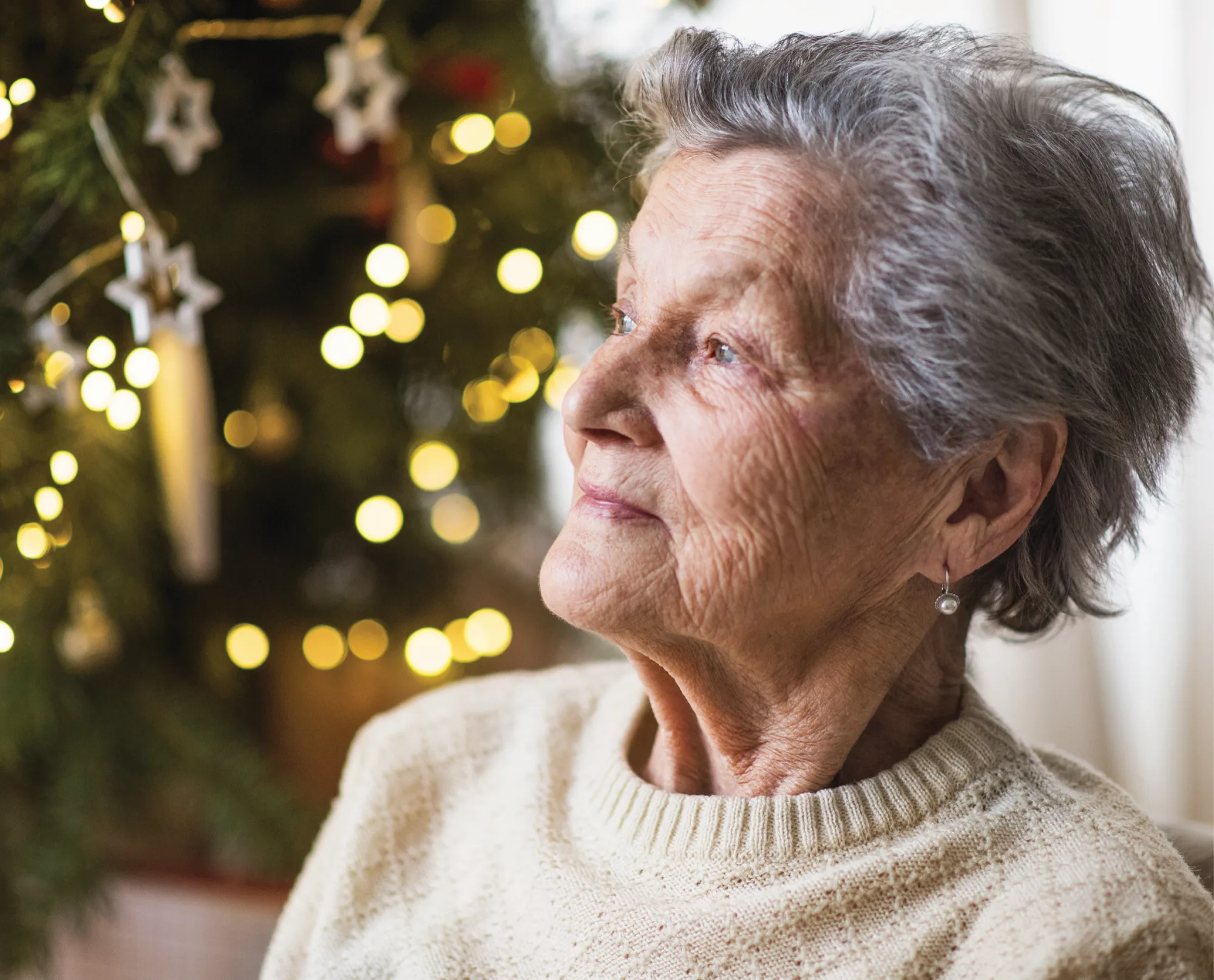
At Rotherwood, we believe staying well is about enjoying everyday life as much as it is about receiving the right support.
From warm, enjoyable meals and gentle movement to hobbies, activities, friendships and time with family, we help residents continue doing the things that matter to them. Our approach is centred around each person’s individual needs, routines and preferences.
Staying connected with others is important, too. If you’re looking for ways to get out and about this winter, why not consider attending a coffee morning at your local Rotherwood home? It’s a lovely opportunity to enjoy a cuppa, meet people and spend time with others in your community.
To find out more, get in touch with your nearest Rotherwood home to ask about upcoming coffee mornings, available dates and how to attend. Our teams will be happy to help.
Small changes can make winter more comfortable, from keeping warm at home to staying active and connected.
If you or someone you love is finding everyday life more difficult, Rotherwood can help you explore your care options.
Contact our team to find out more or arrange a visit to your local Rotherwood care home.