First published:
Choosing a care home for someone with complex needs requires more than finding a home that offers the right type of care. You need to understand whether the team has the experience, clinical support and facilities to meet that person’s particular needs, both now and if those needs change.
But while the care itself is important, it is only part of the picture.
At Rotherwood, we believe exceptional care starts with seeing the person behind the care needs. The right care home should provide the professional expertise and specialist support someone needs. It should allow them to enjoy everyday life, maintain their independence and continue doing the things that matter to them.
So, what should you look for when choosing a specialised care home for someone with complex needs?

Complex care needs can mean different things for different people.
They may involve a long-term health condition, a combination of physical and cognitive needs, or a level of support that requires specialist knowledge and ongoing care.
Someone with complex needs may need support with medication, personal care, mobility, nutrition, specialist equipment or regular nursing care.
The support required will depend on the individual, not simply their diagnosis. Two people living with the same condition may have very different abilities, symptoms and care needs.
Complex needs can also develop over time following an illness, injury, hospital stay or change in health.
Choosing the right care should always start with understanding the individual, rather than focusing solely on their condition.
There is no single point at which someone automatically needs specialist care. Every person’s circumstances and care needs are different.
However, it may be time to consider a more specialist setting if someone:
For families and professionals, it is important to consider whether a care home has the right experience, training and support to meet these needs, and whether it can adapt as those needs change.
If you’re unsure what level of care someone needs, a care needs assessment can help.
Before offering a place, a care home should take time to understand the person’s current needs and establish whether it can provide the right support.
This assessment may consider their health conditions, medication, mobility, communication, nutrition, personal care and any specialist equipment they use. It should also consider the person’s routines, preferences and what matters to them in everyday life.
For someone with complex needs, family members and relevant healthcare professionals may also be involved in sharing information. This helps the home understand the person’s needs from the outset and plan for their move.
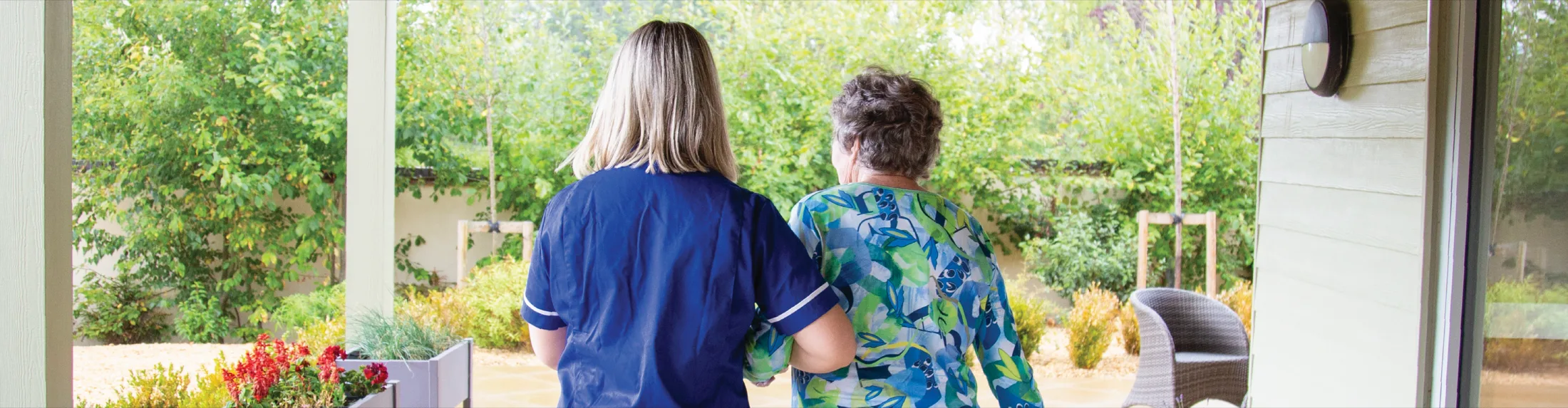
When care needs are complex, it can be easy for conversations to become focused on diagnoses, medication and clinical requirements.
But a person is so much more than their care plan.
At Rotherwood, we take the time to understand the individual – their personality, history, preferences, routines and the people who matter most to them.
This also means understanding how someone communicates, what helps them feel comfortable and whether changes to routine or unfamiliar situations can cause distress. Knowing the person well helps the team adapt their approach and provide consistent, reassuring support.
Someone’s care needs may be complex, but their life shouldn’t be defined by them.
A good specialist care home should create opportunities for residents to remain involved in the things that matter to them. This could include spending time with family and friends and enjoying a favourite hobby. Or it may be taking part in activities linked to their interests and abilities, or simply choosing how they spend their day.
The aim isn’t simply to provide more care. It’s to provide the right care, in the right environment, for the right person.
When visiting a specialist care home, start by asking whether the team has experience supporting people with similar needs.
Find out about staff training and qualifications and how care plans are created and reviewed.
Check the home’s latest CQC rating and report, but don’t rely on the overall rating alone. Read what inspectors say about the care provided and any areas where the home is performing particularly well or needs to improve.
Continuity of care is also important. Having familiar team members and consistent approaches can help staff recognise changes in a person’s needs and provide care that feels reassuring and familiar. This can be particularly important for someone with complex needs, where knowing their usual routines, communication style and behaviours can help the team recognise when something is different.
For people with more complex health needs, nursing care may provide additional support, including 24-hour care from qualified nurses. Ask how the home works with GPs, hospitals and other healthcare professionals where needed.
It is also worth asking what would happen if the person’s needs became more complex. Could the home continue to support them, or might they eventually need to move elsewhere?
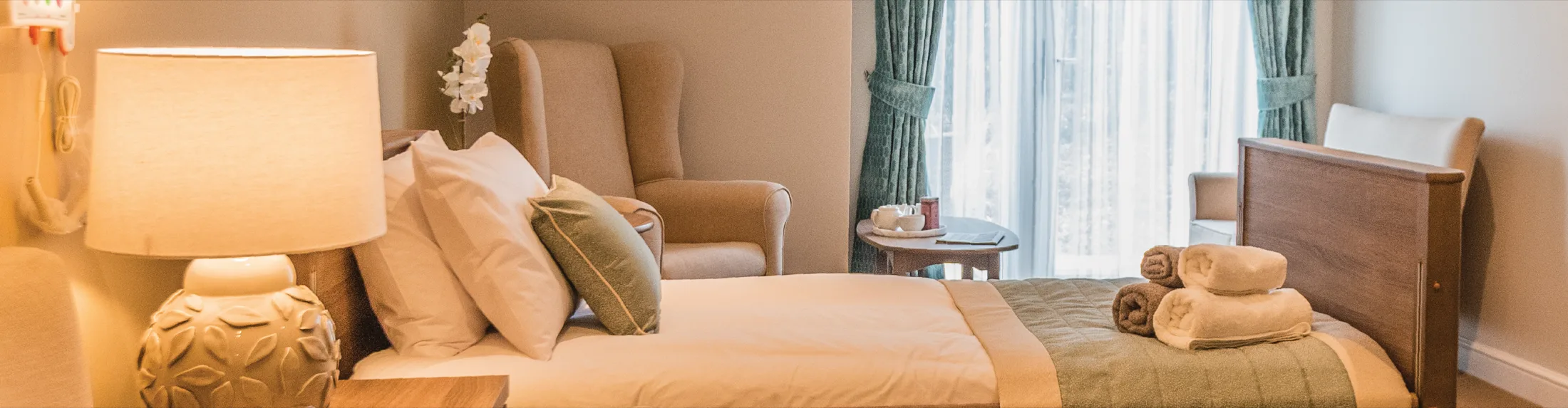
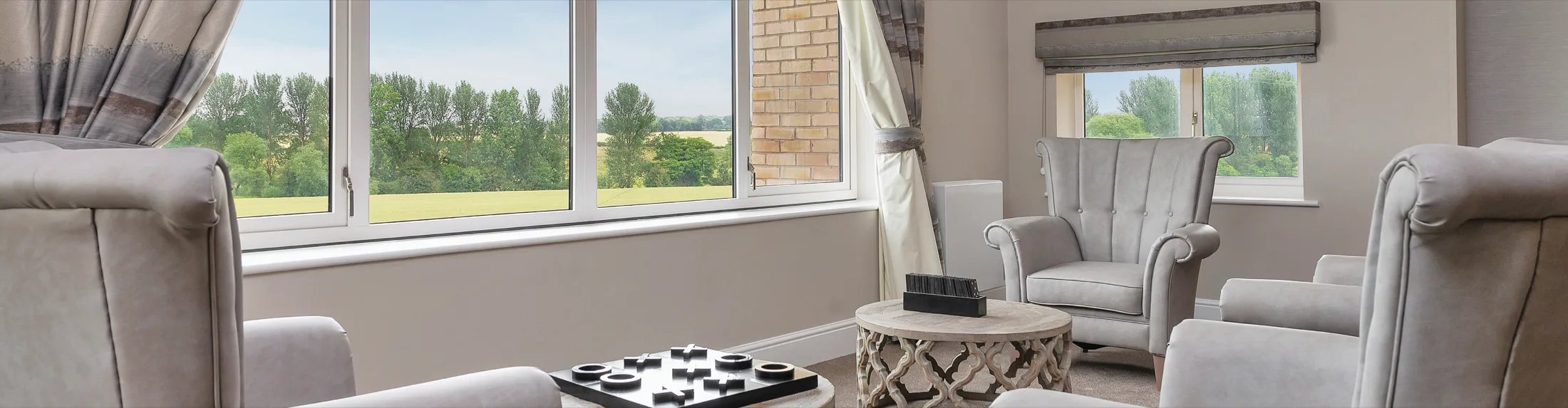
Is the environment practical and accessible for the person’s needs? Can the home accommodate any specialist equipment they may require, and is there enough space for them to move around safely and comfortably? It is also worth considering whether the environment can adapt as their needs change.
Does the home feel welcoming? Do residents appear comfortable? Are team members friendly and approachable? Can residents continue their interests, maintain their usual routines and have a say in how they spend their day?
The right home should provide the specialist support someone needs while also helping them feel comfortable, respected and at home, with opportunities to maintain their dignity, independence and sense of choice.
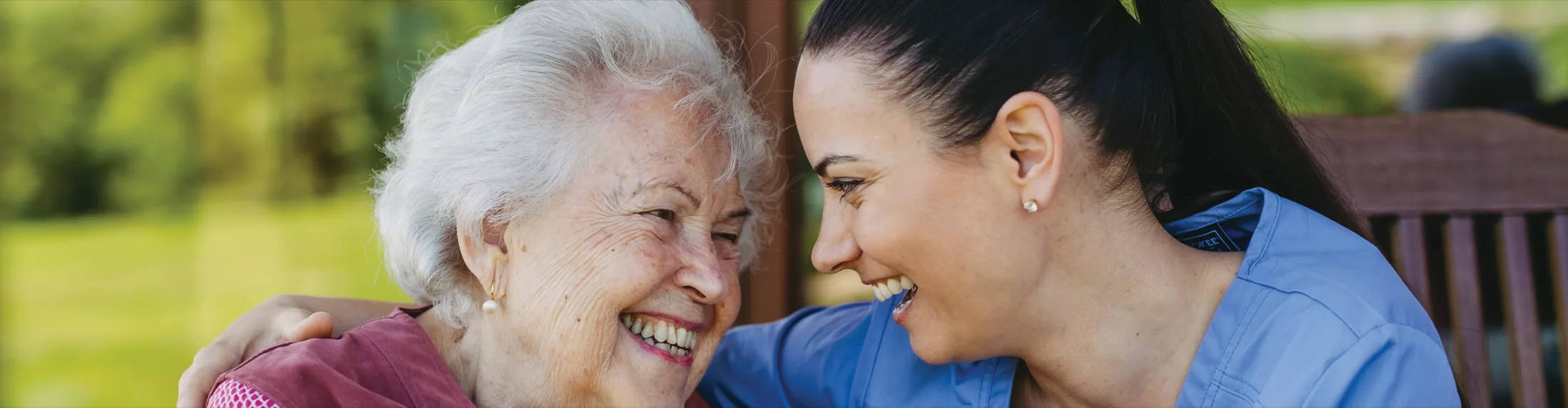
Taking a few questions with you can help you understand whether a home can genuinely meet the person’s care needs.
It is also important to ask questions specific to the person’s individual needs. The right home should be able to explain how it would provide the level of support they require, both now and as their needs change.
Choosing a specialist care home isn’t simply about finding somewhere capable of managing complex needs. It’s about finding somewhere that understands the whole person.
At Rotherwood, we know that every person’s journey into care is different. Some may be looking for care following a hospital stay, while others may gradually reach a point where living independently is no longer safe. Our priority is to help people find the care home that is right for their individual needs, preferences and circumstances.
The right specialist care should offer expertise, reassurance and safety, while also providing warmth, dignity, connection and the opportunity to live life to the fullest.
Because complex care is about meeting complex needs without ever losing sight of the person who needs the care.
If you’re considering care for someone with complex needs, the Rotherwood team is always happy to have a chat about the care and support available, with no obligation.